
Foods That Stabilize Blood Sugar
Discover the most effective natural foods and dietary approaches recommended by nutrition experts to help maintain steady blood glucose levels throughout the day
The information on this site is for educational purposes only and does not constitute medical advice. Always consult a qualified healthcare professional before making health decisions.
Featured Content Categories
Top Foods for Blood Sugar Stability
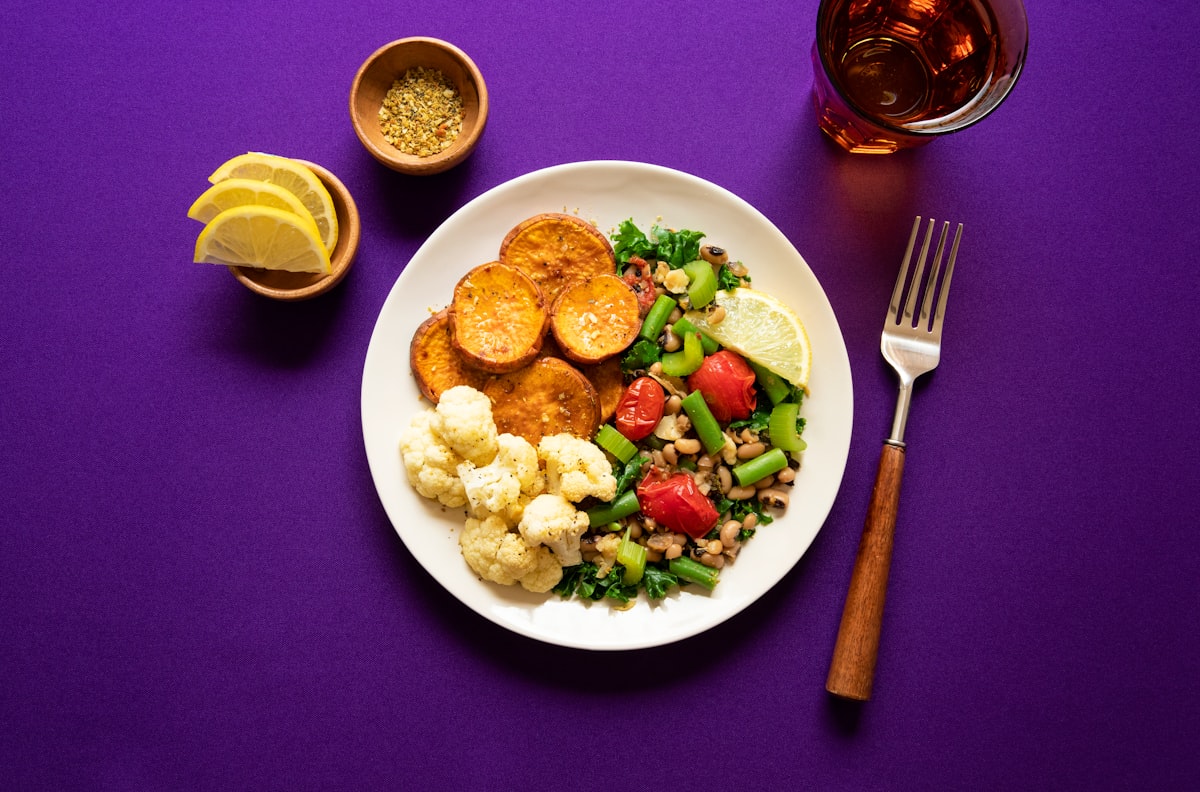
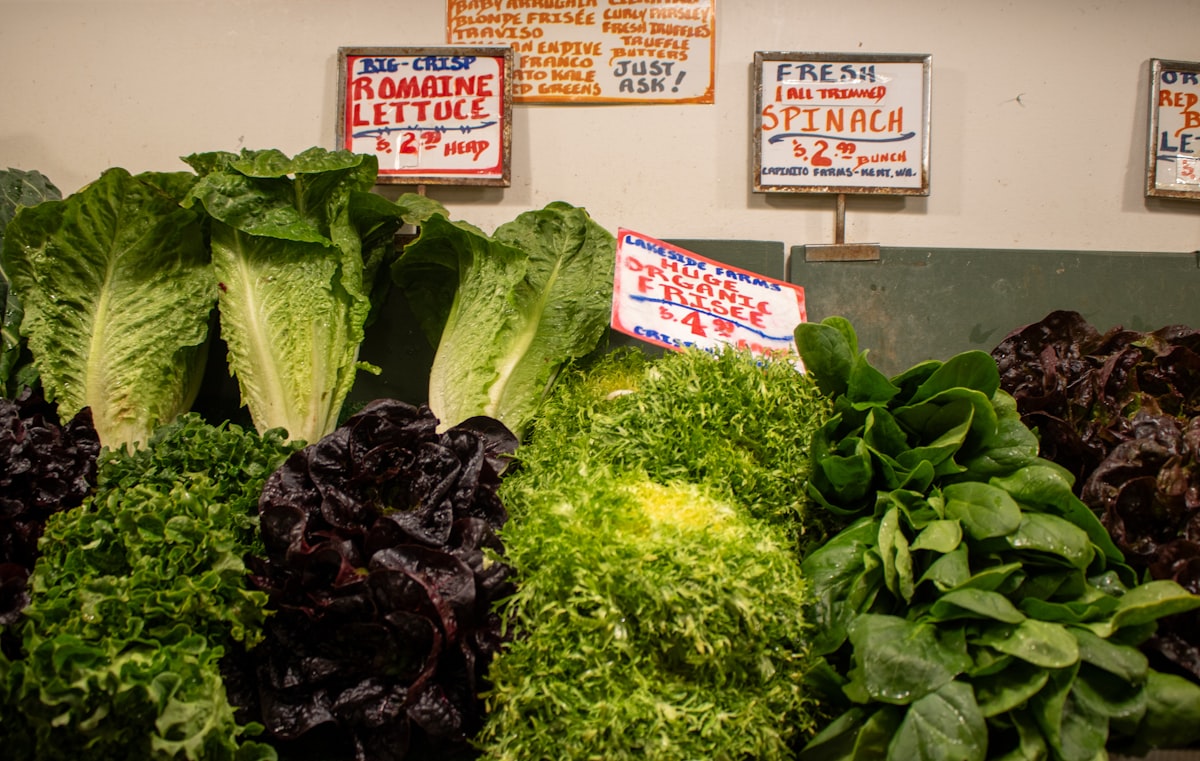
Leafy Green Vegetables
Spinach, kale, and lettuce are low in calories and carbohydrates while being rich in fiber and essential minerals. These vegetables contain compounds that may support healthy glucose metabolism and provide sustained energy without blood sugar spikes.
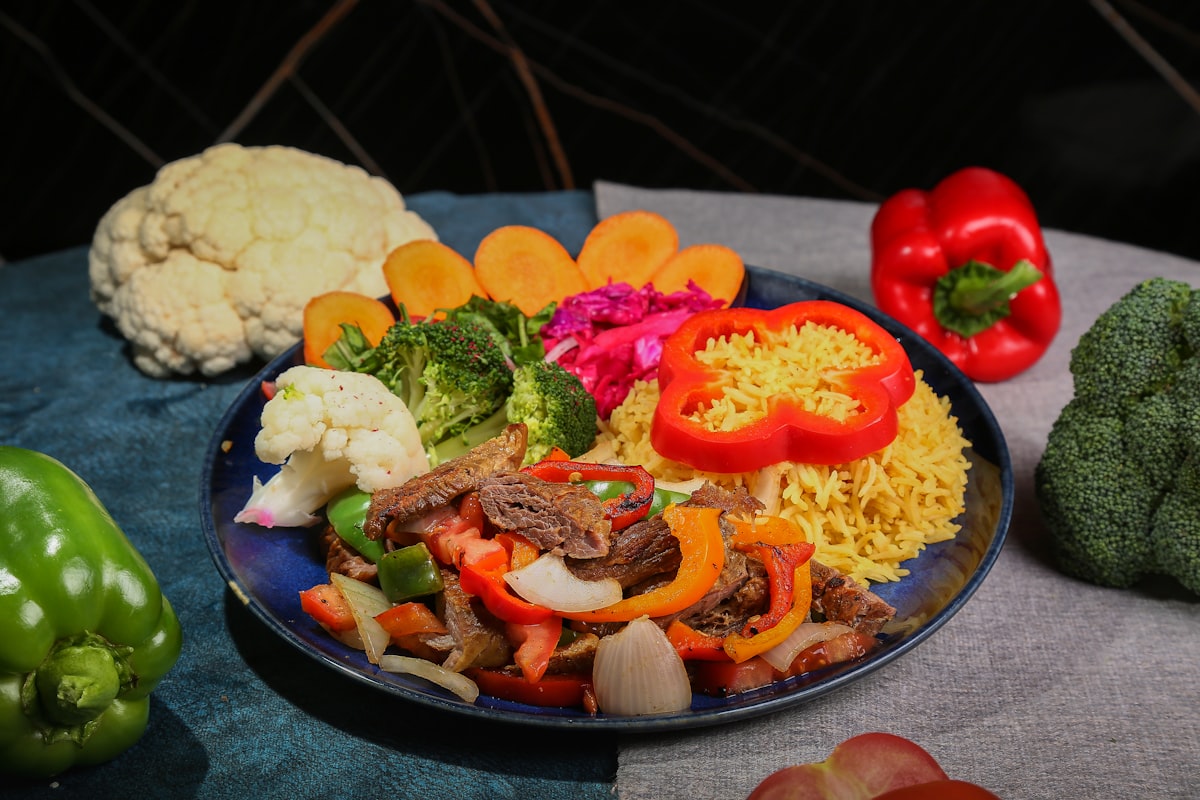
Whole Grains
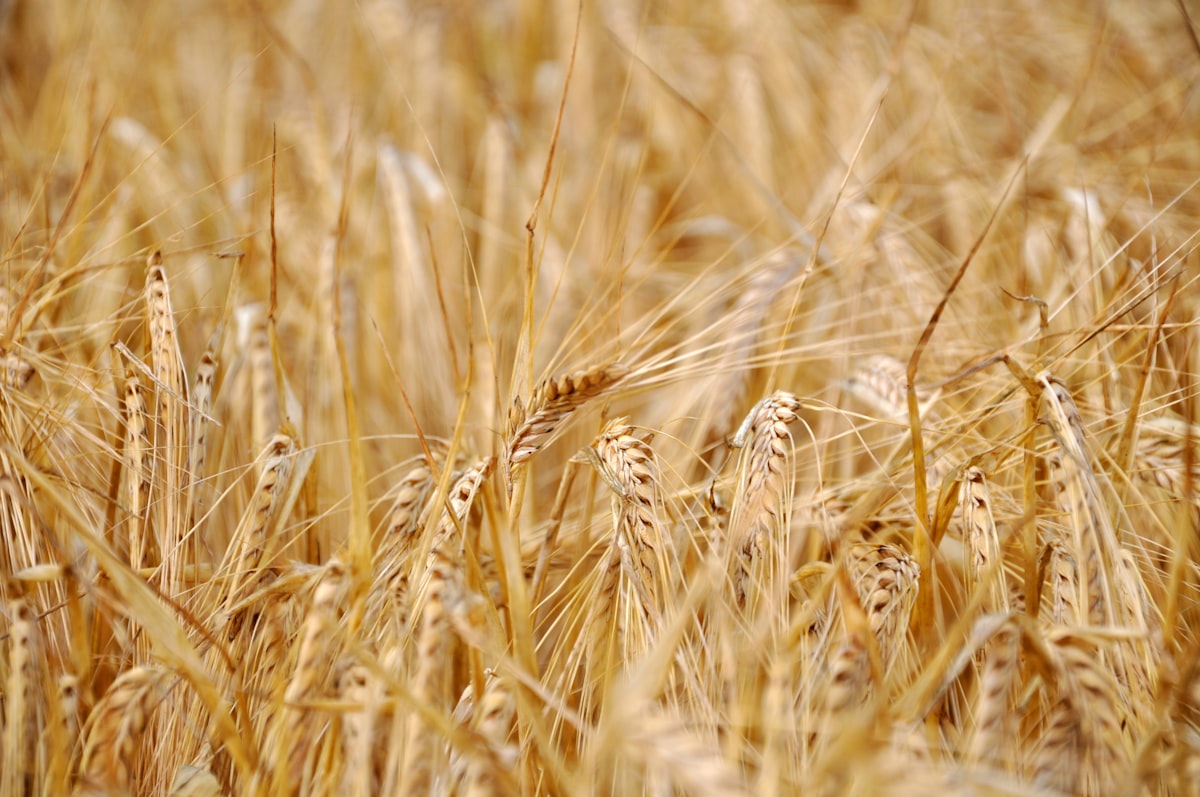
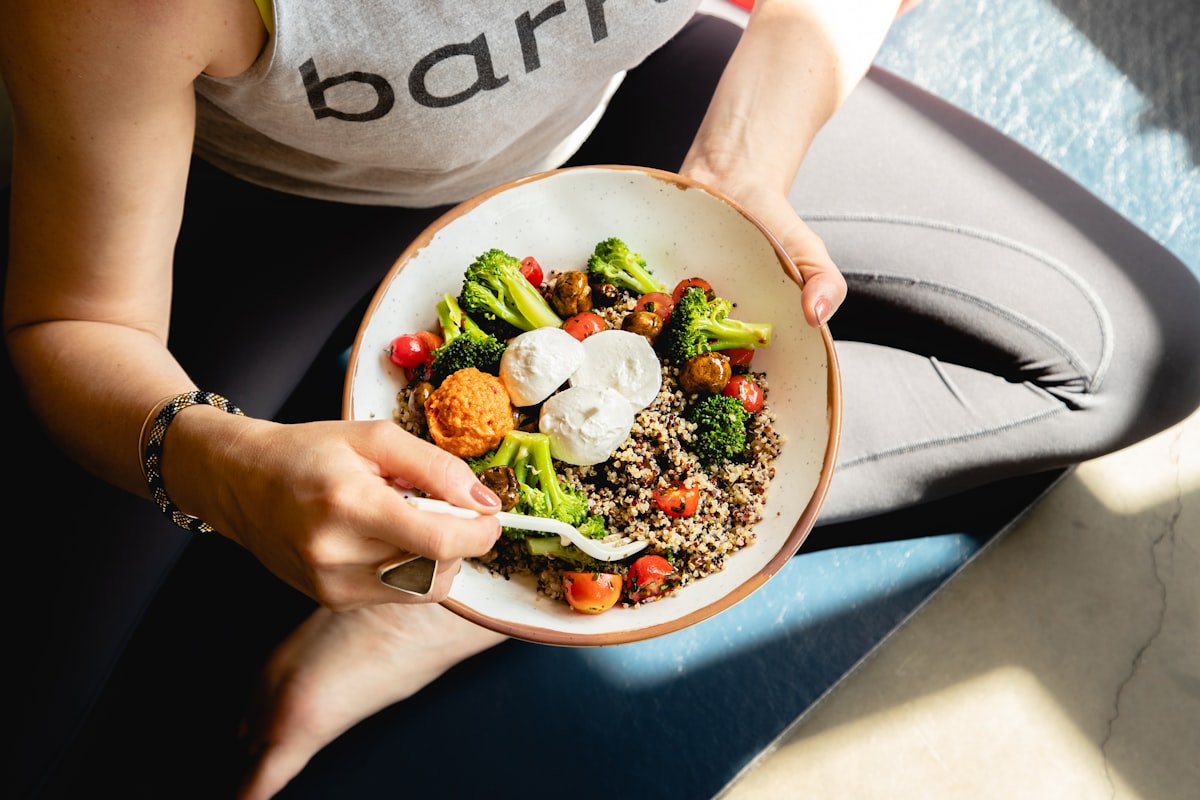
Oats, quinoa, and brown rice are excellent sources of complex carbohydrates and dietary fiber. The high fiber content slows digestion and glucose absorption, helping to maintain steady energy levels throughout the day.
Fatty Fish
Salmon, mackerel, and sardines are rich in omega-3 fatty acids and high-quality protein. These nutrients work together to slow carbohydrate digestion and support metabolic health for more stable glucose levels.
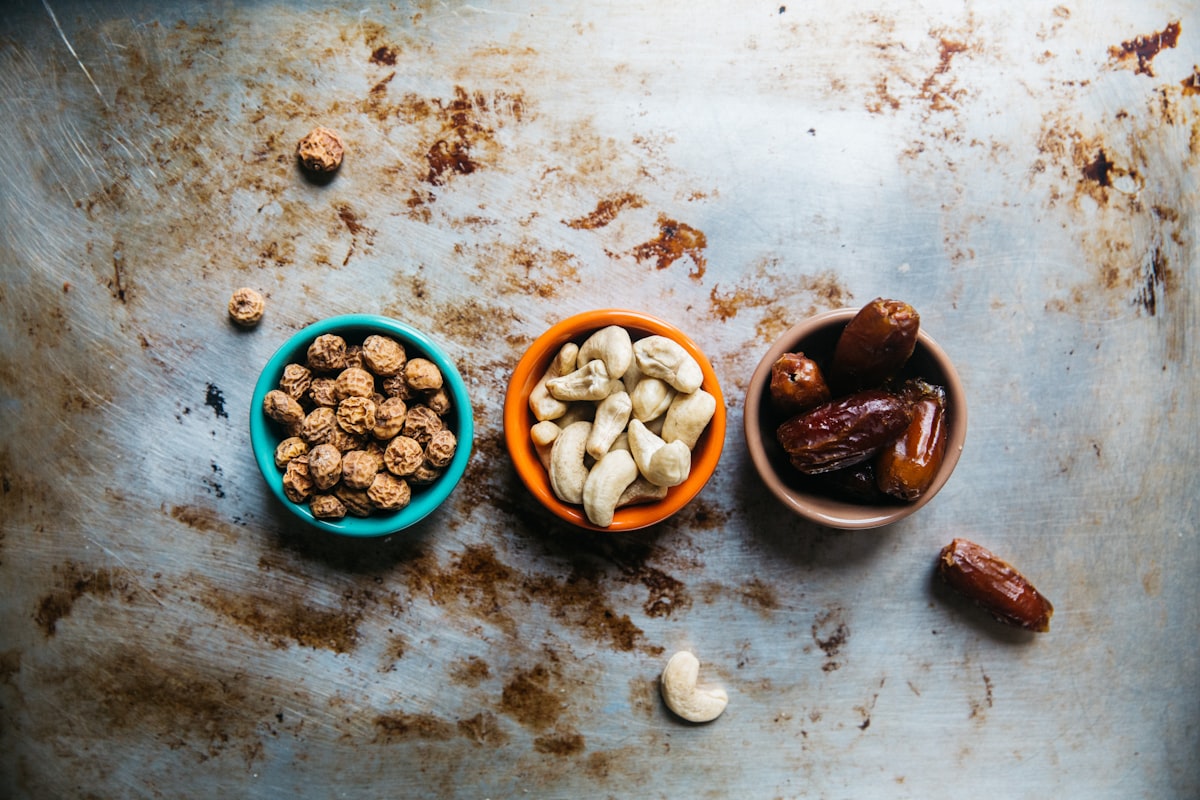
Nuts and Seeds
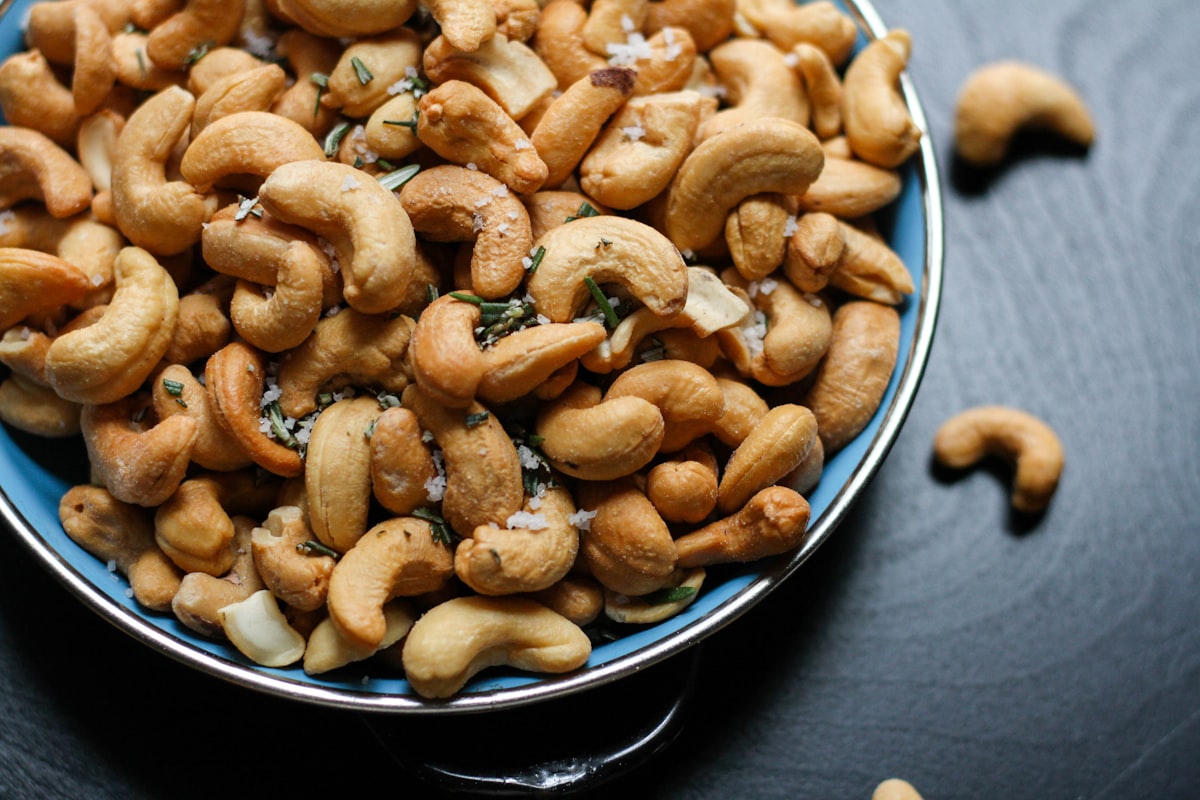
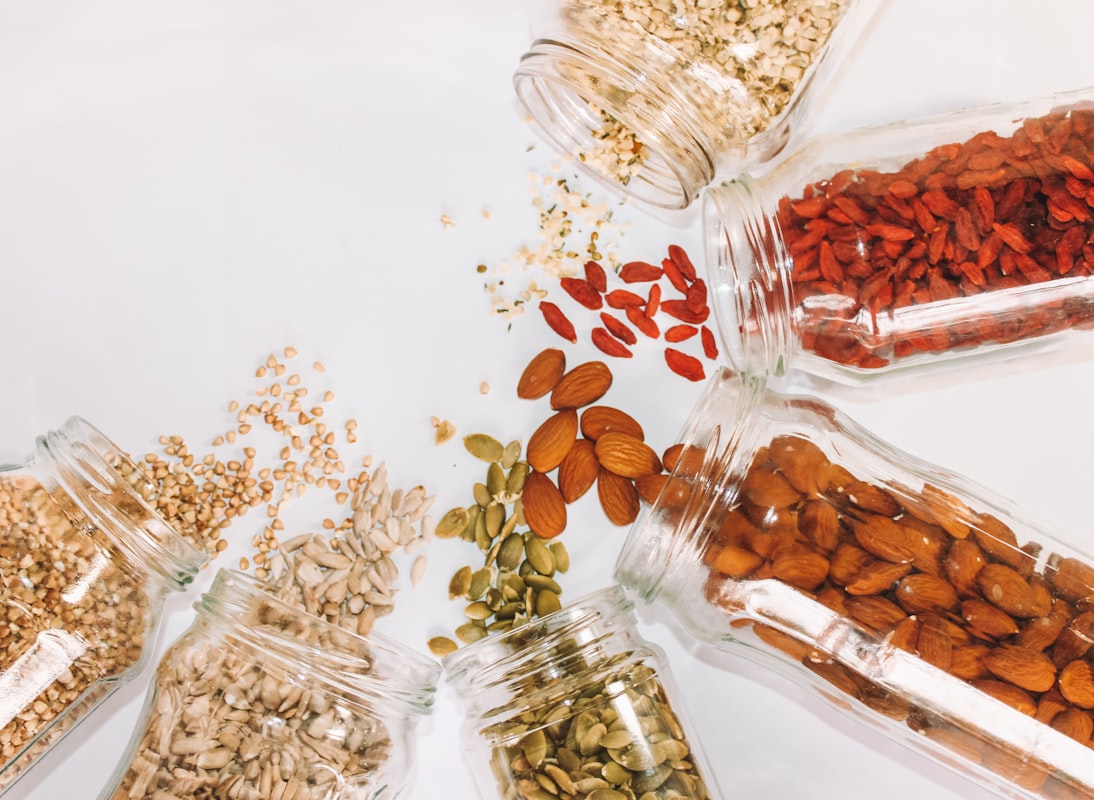
Almonds, walnuts, and pumpkin seeds provide healthy fats, protein, and fiber. These components create a balanced nutritional profile that helps moderate glucose absorption and promotes consistent energy without rapid spikes.
Legumes and Beans
Lentils, chickpeas, and black beans are nutrient-dense with impressive amounts of plant-based protein and soluble fiber. This combination significantly slows carbohydrate digestion and helps maintain stable blood glucose throughout the day.
Berries
Blueberries, strawberries, and raspberries have a low glycemic index and are rich in polyphenols and antioxidants. These natural compounds may help regulate glucose uptake and provide sweet satisfaction with minimal blood sugar impact.
Greek Yogurt
Plain Greek yogurt is high in protein and contains beneficial probiotics. The protein content reduces carbohydrate impact and helps maintain satiety, supporting more balanced glucose levels and sustained energy.
Apples with Skin
Apples, especially with the skin intact, contain pectin fiber and various polyphenols. These compounds slow down glucose absorption and may contribute to more stable blood sugar levels when eaten as part of a balanced meal.

Eggs
Eggs are a complete protein source with all essential amino acids and contain choline, which supports metabolic health. The protein content in eggs helps slow carbohydrate digestion and promotes stable glucose levels throughout the day.
Understanding Blood Sugar Balance

Why Dietary Choices Matter
The foods we consume directly influence our body's glucose levels. When you eat foods rich in fiber, protein, and healthy fats, your body processes them more slowly, leading to a gradual rise in blood glucose rather than sharp spikes. Understanding the glycemic impact of different foods is fundamental to maintaining steady energy levels throughout the day.
Blood sugar fluctuations can affect your energy, mood, and overall well-being. By choosing foods that stabilize glucose levels, you support your body's natural metabolic processes and promote sustained vitality. The key is selecting whole, nutrient-dense foods and combining them thoughtfully in balanced meals.
Stay Updated with Our Articles
Get the latest evidence-based information about blood sugar balance and nutrition delivered to your inbox
We respect your privacy. Unsubscribe anytime.
Frequently Asked Questions
The Glycemic Index (GI) is a measure of how quickly foods raise blood glucose levels. Foods are ranked on a scale from 0 to 100, with pure glucose being 100. Low GI foods (below 55) are digested more slowly, causing a gradual rise in glucose levels. High GI foods (above 70) are absorbed quickly, causing rapid spikes. By choosing predominantly low to medium GI foods and combining them with protein and healthy fats, you can maintain more stable glucose levels throughout the day.
General dietary guidelines suggest consuming 25-30 grams of fiber daily for adults. However, the ideal amount may vary based on individual needs, activity level, and overall health. Soluble fiber, found in oats, beans, and apples, is particularly effective at slowing glucose absorption. When increasing fiber intake, do so gradually and ensure adequate water consumption to support digestive health and nutrient absorption.
Yes, meal timing and composition significantly influence blood glucose patterns. Eating regular, balanced meals helps maintain consistent glucose levels rather than causing dramatic fluctuations. Many people find that eating protein and fiber with each meal, combined with consistent meal timing, helps stabilize energy and reduce cravings. Skipping meals or eating large meals with minimal fiber can lead to more pronounced glucose spikes and subsequent crashes.
Absolutely. The most effective combinations include: carbohydrates paired with protein (whole grain toast with eggs), fiber with healthy fats (apple with almond butter), and vegetables with protein and fat (spinach salad with salmon and olive oil dressing). These combinations work synergistically to slow glucose absorption, promote satiety, and provide sustained energy. Starting meals with vegetables and protein before carbohydrates can also help moderate glucose response.
Cooking methods can influence the glycemic impact of foods. For example, boiling pasta until al dente results in lower glucose response compared to overcooking. Cooling cooked rice or potatoes after cooking can increase resistant starch, which has a lower glycemic impact. Steaming vegetables preserves fiber content, while roasting with healthy fats can further slow glucose absorption. Understanding these techniques helps you maximize the blood sugar-stabilizing benefits of your meals.
What Our Readers Say
"The articles on Sugarlevelsecretspro are incredibly informative and practical. I've learned so much about choosing foods that keep my energy stable throughout the day. The explanations are clear and backed by solid nutritional science. Highly recommend for anyone looking to understand their dietary choices better."
Marcus Novak
Praha
"I appreciate how detailed the food guide is. Instead of vague recommendations, it explains the science behind why certain foods work better than others for blood sugar balance. The meal combination suggestions have genuinely helped me feel less tired during the afternoon."
Elena Hartmann
Brno
Ready to Learn More?
Browse our comprehensive articles and guides about foods that support blood sugar stability